

Finance the build, or the renovation.
A new bay, a refit, a facility you are taking down to the studs. The company is already operating. The project is the use of proceeds. We raise the construction capital against that.
The work has a budget. The financing should have a market.
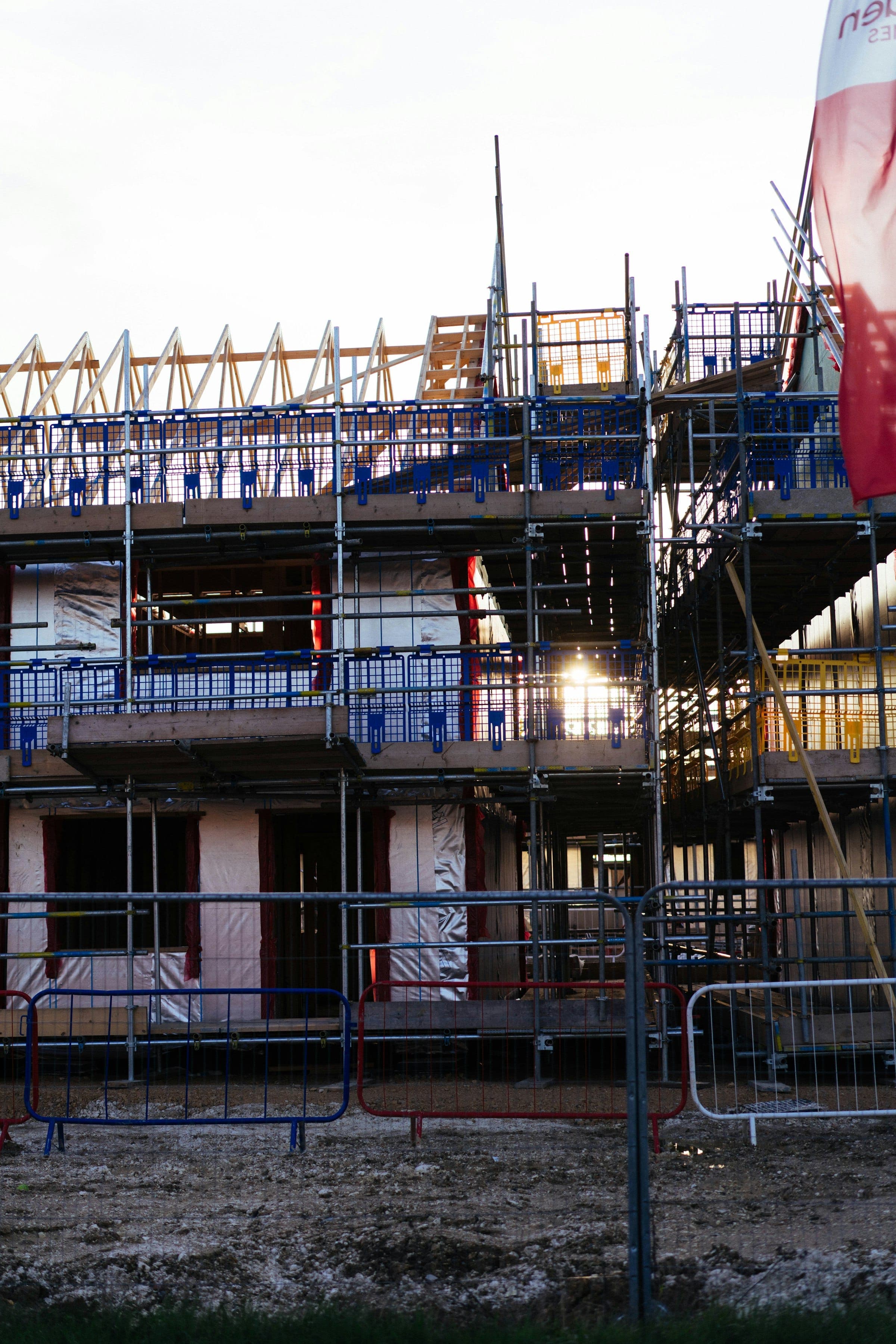
Draw schedules, interest reserves, and a takeout when the project is done. Contractors and banks each hold one piece of that. We run the lender side so the construction loan, and the permanent loan behind it, are priced by more than one party.
Who finances a project.
The construction lender and the lender who takes it out are often not the same firm. Both belong in the process.
Construction facilities with draws, for an owner-occupied project.
When the finished project is owner-occupied commercial real estate.
For a renovation the bank will not fund until it is finished.
The permanent loan, lined up before the first draw.
Who construction financing is for.
The company already operates, and the project is a building or a renovation it will use. A new bay, a refit, a facility taken down to the studs. The budget exists, or it is being priced. The financing has to cover the build and the loan that remains when the build is done.
Ground-up development for sale, or a project you will lease to other tenants, is outside this mandate. Buying a finished building you will occupy is owner-occupied real estate. Machinery that is not part of the building project is equipment financing.
How a project is usually financed.
A construction facility from a bank is drawn as work is completed, often with an interest reserve so the company is not paying full debt service before the project produces anything. The permanent loan, the takeout, is a separate credit. The firm that builds the project and the firm that holds it afterward are often not the same. Both belong in the process before the first draw.
SBA 504 can finance the purchase, construction, or renovation of buildings or land the business will use. The SBA says a 504 loan is originated by a certified development company with a senior lender, with a stated maximum of $5.5 million, and that it cannot fund working capital or inventory. Confirm eligibility for a project that is still under construction with the CDC and the senior lender. The program page is 504 loans.
Private credit shows up when a bank will not fund the renovation until it is finished, or when the project sits outside a 504 occupancy test. A takeout lined up only after the project is done leaves you negotiating from a half-finished building. The mandate is to price the construction loan and the permanent loan together.
Documents a lender usually asks for.
Project lenders underwrite the budget and the company that will occupy the finished building. They commonly ask for the following.
- A project budget: hard costs, soft costs, contingency, and interest during construction
- Plans, the contractor arrangement, and the status of permits
- Company financial statements and tax returns, so the takeout has a borrower
- A sources-and-uses page, including equity in the project
- A draw schedule and who inspects the work before each draw
- The permanent loan terms you want compared, not only the construction quote
How the financing is run.
The construction project is the assignment. The steps are the same four used on every mandate. Engagement: a letter is signed, the books are reviewed, and the case a lender will back is built. Market: the materials are prepared and the lenders who actually finance this use of proceeds are mapped. Competition: they see the deal at the same time, so the house bank or the vendor's lender has to beat the field. Close: the offers are compared, the terms are negotiated, and the one you accept is taken to signing.
No duration is promised here, and no rate. A lender's credit process sets the clock. What the mandate changes is who is asked, and whether the first term sheet is the only one.
What Siddwell is and isn't.
Siddwell is an investment bank hired to advise on the financing and to run a competition among lenders. Siddwell is not a lender, not a licensed loan broker, and not a business broker. The lender makes the credit decision. If you would rather meet SBA lenders on your own, the SBA's Lender Match tool introduces participating lenders, and you apply with the lender, not with the SBA.
Is this ground-up development for sale?
No. We finance construction and renovation for a company that will use the building. Speculative development is outside this mandate.
Do you arrange the permanent loan as well as the construction loan?
Yes. A construction quote with no takeout is half a deal. We run both, with the lenders who do each.
How is this different from buying a finished building?
Buying a building you will occupy is the real estate page. This page is for a project that still has to be built or renovated.
Is a construction quote enough?
A construction quote with no takeout prices half the deal. The permanent loan should be in the same process, with the lenders who do each part.
Does 504 finance a renovation the company will occupy?
The SBA's 504 page lists purchase, construction, or renovation of buildings or land among eligible uses, and it excludes working capital, inventory, and investment rental property. The CDC and the senior lender decide whether a given project qualifies.
Related guides

The first call costs nothing.
Buying a business or raising capital? See which lenders would finance your deal, or talk it through with our CEO—no commitment, just a straight read on your options.
A buyer, lender or investor? Join our list and we'll reach out when we're representing something that fits.