

Finance the machines the work runs on.
A line, a fleet, a single piece of equipment that costs more than the cash on hand. The collateral is the asset. We take that financing to the lenders who actually do it.
The quote from the vendor's lender is one quote.
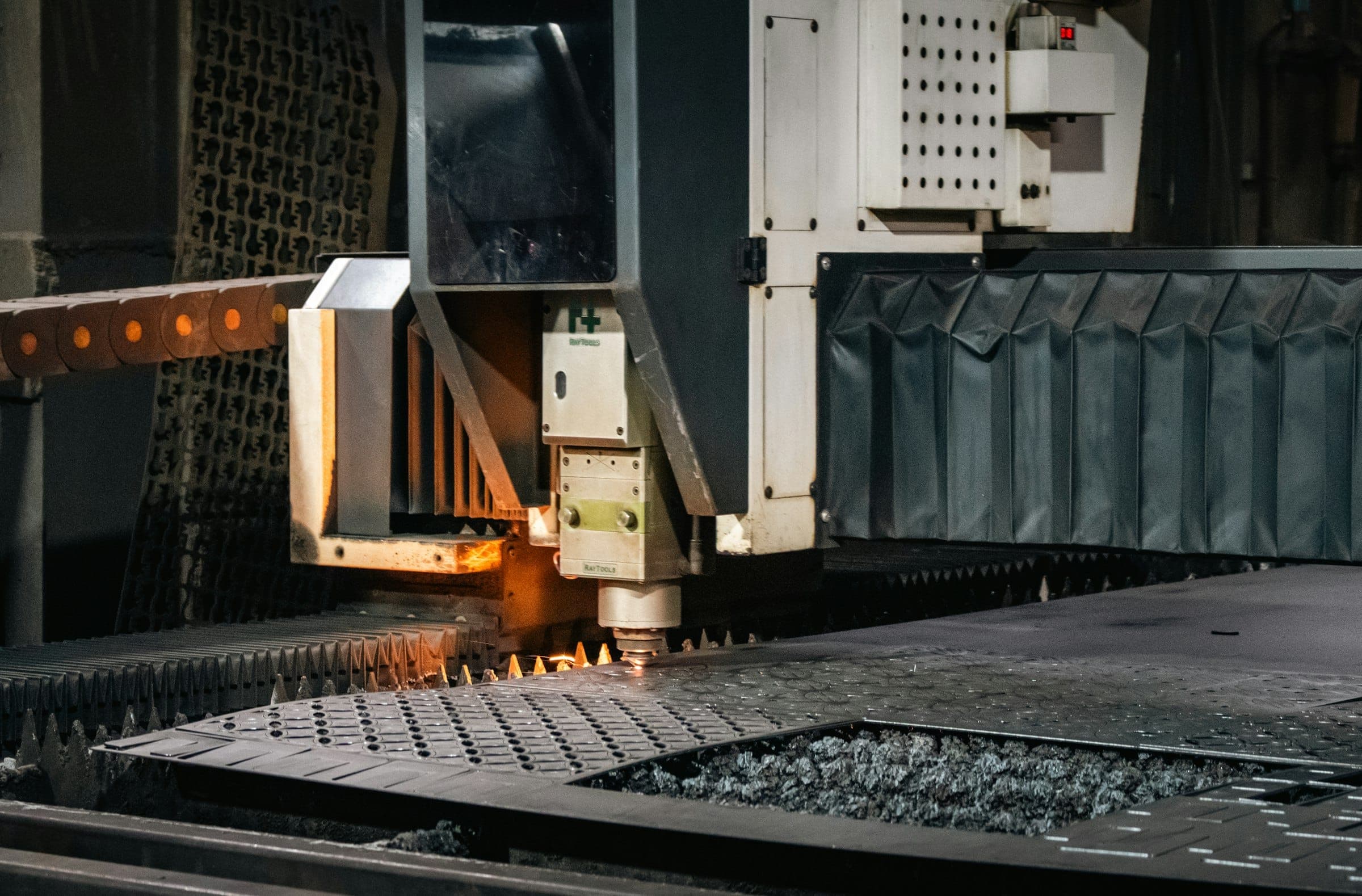
Equipment dealers keep a lender on the form. That lender is convenient and rarely the only one. Banks, specialty lessors, and sometimes an SBA facility will all look at the same machine and come back with different dollars and different recourse.
Who finances equipment.
The right lender depends on whether the machine stands alone or has to be wrapped into the company's senior debt.
Specialist lessors who will finance the asset on its own.
An equipment note, or a draw on an existing facility.
7(a) when the equipment is part of a larger business purpose.
The manufacturer's lender, kept in the process so it has to compete.
Who equipment financing is for.
A manufacturer, distributor, or trades company needs a machine, a line, or a fleet, and the cash on hand is the wrong way to pay for it. The collateral is the asset. The company is already operating, in the $1 million to $100 million revenue band.
If the equipment is a small piece of a company you are buying, it belongs in acquisition financing. If you are replacing a line of credit rather than buying an asset, that is working capital or a refinance.
How equipment lenders typically structure the deal.
An equipment lender or lessor finances the asset on its own. The advance rate follows the equipment, whether it is new or used, and how readily it can be resold. A lease and a loan are both on the table. The comparison is the real cost and the recourse, not the monthly quote the vendor printed.
A bank can write an equipment note or a draw on a facility you already have. The manufacturer's captive finance company is one bidder. It is convenient because it sits on the vendor's form. It is rarely the only lender who will look at the machine.
An SBA 7(a) loan can purchase machinery and equipment. The SBA states that use, and a $5 million maximum loan amount, on its 7(a) page. Lenders use it when the equipment is part of a larger business purpose and the company qualifies. It is one path in the same process, not a separate product Siddwell originates.
Documents a lender usually asks for.
Equipment credit is underwritten off the asset and the company's ability to pay. Lenders commonly ask for:
- The invoice, quote, or bill of sale, with the make, model, and whether the equipment is new or used
- Where the equipment will sit, and whether it is being installed or is mobile
- Company financial statements and tax returns
- Any existing liens on current equipment or on the business
- The structure you want compared: a loan, a lease, or a draw on a current facility
- The captive quote, included so it has to compete rather than accepted by default
How the financing is run.
The equipment purchase is the assignment. The steps are the same four used on every mandate. Engagement: a letter is signed, the books are reviewed, and the case a lender will back is built. Market: the materials are prepared and the lenders who actually finance this use of proceeds are mapped. Competition: they see the deal at the same time, so the house bank or the vendor's lender has to beat the field. Close: the offers are compared, the terms are negotiated, and the one you accept is taken to signing.
No duration is promised here, and no rate. A lender's credit process sets the clock. What the mandate changes is who is asked, and whether the first term sheet is the only one.
What Siddwell is and isn't.
Siddwell is an investment bank hired to advise on the financing and to run a competition among lenders. Siddwell is not a lender, not a licensed loan broker, and not a business broker. The lender makes the credit decision. If you would rather meet SBA lenders on your own, the SBA's Lender Match tool introduces participating lenders, and you apply with the lender, not with the SBA.
Should equipment be leased or borrowed?
Whichever the market prices better for this asset and this balance sheet. We take both structures out and compare the real cost, not the monthly quote.
Will you use the dealer's lender?
We will include them. We will not stop with them. A captive quote is useful once other lenders have answered.
Is a fleet different from one machine?
The lender list changes. The process does not. One piece or a replacement cycle, we still make the financing compete.
Should the vendor's lender be ignored?
No. Include them. A captive quote is useful once other equipment lenders and, where it fits, a bank or an SBA lender have answered.
Does the SBA finance equipment?
The SBA lists purchase and installation of machinery and equipment as a 7(a) use. The loan is still made by a lender. The published maximum 7(a) loan amount is $5 million.
Related guides

The first call costs nothing.
Buying a business or raising capital? See which lenders would finance your deal, or talk it through with our CEO—no commitment, just a straight read on your options.
A buyer, lender or investor? Join our list and we'll reach out when we're representing something that fits.